
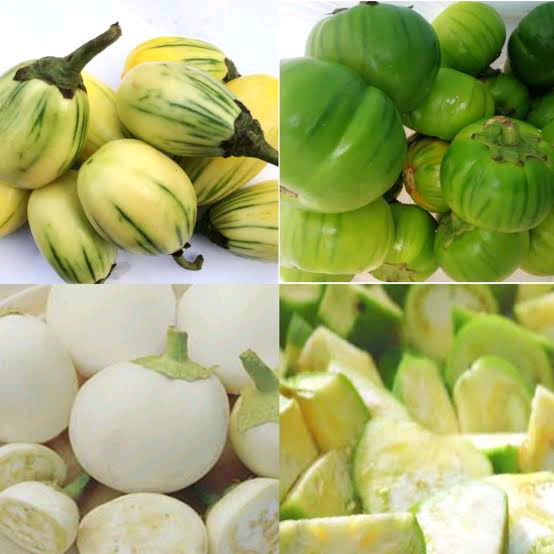
Garden egg or African eggplant is a highly valued vegetable in West Africa and is predominantly cultivated in Nigeria but grown and consumed more in the Eastern and Southern parts of the country. It is also used as a food crop in several African countries. It is a small, white, or green-colored fruit with a teardrop shape that is valued for its bitterness.
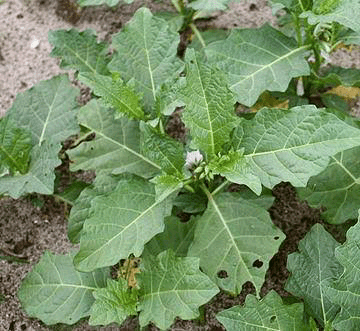
The leaves of this garden egg are specific to the bitter eggplant which is locally known as “Akwukwo Anyara” by the easterners(Igbo), “Efo Igbo” by the westerners(Yoruba), and “Ganyen Guata” by the northerners(Hausa) but culturally known as Solanum melongena. It is characterized by its elongated, severed-edged, green-colored leaves with a bitter-sweet taste in nature.
The African eggplant or Garden egg does not only represent fertility and blessings in some African communities but also very rich in dietary fiber, copper, and thiamine(vitamin B1, B6), folate, magnesium, niacin, and potassium which is a necessary salt that helps in maintaining the function of the heart and regulates blood pressure.
These garden egg leaves, just like other vegetables are known as natural blood pumping vegetables especially when eaten raw, though it can be eaten with peanuts, or cooked into a rich sauce that can be eaten with yam rice or plantain.

They are also considered curative as well as nutritious diet due to the nutritional contents that serve as medication to certain ailments and substitution for medical supplements and very beneficial to human health in several ways.
11 Benefits of garden egg leaves.
1. Promotes weight loss:
Garden egg leaves are used in managing obesity and reducing the level of cholesterol in the blood due to the presence of some micronutrients. Adequate intake of the leaves is required in this case to achieve a notable result such as freshly toned skin and weight loss.
2. May prevent cancer:
The leaf of African eggplant contains an anti-inflammatory property which makes it one of the suitable vegetables we can use to reduce swelling and prevent cancer-causing inflammation. Phytochemicals that fight free radicals that can lead to cancerous disease in the body are also found in garden egg leaves.
3. Improves kidney health:
When eaten raw or converted to juice by boiling and filtering, these leaves turn out to be very efficient and effective in total cleansing of the kidney naturally thereby preventing dialysis, filtering the blood, and hindering unwanted materials from entering into the organ. Also, Potassium found in garden egg leaves helps the kidney to improve its function of filtering the blood.
4. Blood booster:
Garden egg leaves serve as a blood tonic to anemic patients. It has long been a miracle vegetable for anemic patients and is the most time recommended by medical experts for use in increasing blood levels. To get its full benefits, get the fresh leaves, wash in clean water, slice and eat it raw.
5. Fertility booster:
Many African cultures believe that the garden egg and its leaves represent fertility and have been used locally in the treatment of infertility and libido-related issues. Many locals where it is used for such purposes have the belief that it works for both men and women though there’s no scientific proof to back it up right now.
6. Good for pregnant women:
Garden egg leaves is a healthy vegetable for pregnant women because it contains a good number of vitamins and minerals that are required for improved health conditions during pregnancy and helps to provide good development, normal weight, and prevention of birth defects for the unborn child.
7. Reduces sugar level:
Due to its high content of dietary fiber and magnesium, it has been used locally in the reduction of sugar levels in the blood. Foods rich in fiber are slowly digested and do not provide the body with any calories which make the blood sugar levels more stable thereby eliminating the fear of a spike in blood pressure. It is a good food source for diabetic patients and is best eaten raw or drank as juice.
8. Helps in digestion:
One of the benefits of fiber in food (both fruits&vegetables) is its ability to help in digestive processes. Fibers improve the digestive system and increase the bulk of the stools. Garden egg leaves are rich in this content and should be consumed adequately to aid in proper digestion,maintaining the digestive tract, and as well help in constipation reduction.
9. Prevent stomach ulcer :
An ulcer is caused by the inflammation of the stomach lining which in turn causes soreness and can be aggravated by the consumption of certain types of food that are too acidic. Garden egg leaves have been used traditionally in the treatment of ulcers of the stomach due to the possession of some anti-ulcer properties.
10. Regulates heartbeat:
The presence of potassium which contains an important salt helps in maintaining the heart condition and regulating the blood pressure making the leaf very important for heart health. An important function of potassium to the heart is to help regulate the heartbeats, therefore, having too much potassium known as (Hyperkalemia) or low potassium (Hypokalemia) can cause changes in your heart rhythms which is dangerous to health.
11. Improves vision:
The cream-colored flesh has a pleasantly bitter taste due to the presence of small amounts of Nicotinoid alkaloids and spongy consistency for protection from poor vision due to glaucoma.
Side effects:
Consumption of garden egg leaves causes no notable side effects unless on those that are allergic to it.
Conclusion
Garden egg leaves are a nutritious vegetable that is commonly known as a blood tonic and serves as a kidney detoxifier but the nutritional benefits are not just limited to that as there are more benefits it has to offer as mentioned above. The nutrients in the garden egg leaves are gained when eaten raw or used for culinary purposes, medicinal or curative areas.
Spread the ❤️
 Joyce touch
This is beautiful write up keep it up.
LikeLike
I’m glad you like it.
LikeLike